Showing posts with label bus life. Show all posts

Day 10626

Since last post I have spent a few weeks in Pennsylvania, a few weeks in Virginia, and now I'm back in Pennsylvania; all for Army schools. One of the road trips turned into an odyssey; engines refused to start, patience was tested, the go-bag and boots were utilized, foreign foods were tried, and much later a chicken was murdered by a friend.

To start us off, my venerable F150 is showing it's age. In Pennsylvania I heard a BANG followed by  the snap of compressed air in time with the engine. The engine was making a decent side-to-side vibration. I thought I blew off an exhaust manifold. I opened the hood to troubleshoot, and the problem wasn't immediately apparent. I wasn't getting any codes on the Scan Gauge, reinforcing my thought that it was exhaust related. But why do I smell fuel? Everything appeared fine... all the spark plug boots were installed. I called around to find a shop to fix an exhaust, and with a buddy in his car to follow me on a noisy trip, it finally coughed up a code for #3 cylinder misfire. A-ha!


I popped the hood one more time, and found the spark plug still sitting on the top of the engine (two inches right of the bright flashlight spot; see the ceramic?) The engine had ejected the plug from the aluminum head, tearing the threads out.  The spark plug boot dropped back into place. That's why I had smelled fuel. A quick google revealed this as a common problem with the Triton V8's. Next call was for a flatbed, and another call to a nearby Ford dealer. After a helicoil install, my truck was back on the road. The Ford Dealer got my travel pay.

Telling this story at work, Ed the former-Ford mechanic told me about some of the other common problems with my model year. This conversation would haunt me days later, hundreds of miles away. Driving to Virginia in the rain, my engine died in Delaware on Route 1. It would eventually restart, run rough, and die. I called AAA.


On a Sunday afternoon, the only open shop nearby was a PepBoys. The truck started, and the test drive was fine. A crusty mechanic with a cigarette hanging out of his mouth told me it was the catalytic converter clogging up, choking the engine as it got hot. Here's some zen; vehicle maintenance isn't cold logical diagnosis, it involves a lot of feeling and establishing a relationship with the vehicle. How did it stop working? How has it been acting? What were the conditions? The person operating the vehicle knows these conditions and feelings better than anyone. A good mechanic knows what questions to ask. It wasn't running rough; it just died. I had air, I had spark, I had crank... it must be the fuel. But again, I didn't have a code yet. PepBoys wanted to cut the welds on the catalytic converter, but they wouldn't be able to weld it back together until the next day. It was now running fine. The rain had stopped. I asked for my keys back and kept going South.

An hour later it started bucking occasionally. It had started raining. Finally it died again, and I pulled off to the side. I gave it 15 minutes to sit. In that time I put my phone up as a hotspot, and used my laptop to look around the area. I was three hours from my destination, and at this point, exhausted. There was a town 25 minutes west with a Ford dealer and a motel within walking distance. If it started, I would keep going. If it didn't, I was calling it a night. I called home, called my platoon sergeant, called the school. After a good wait, I tried to start it... the engine caught, ran rough, died, and gave me a code! Low fuel pressure. I called AAA, again. Lenny and Debbie gave me and my disabled steed a ride to Salisbury, MD. We talked chicken farming. Lenny even gave me a ride to the motel; what a guy!


So there I was; down to my boots and my backpack in a random eastern shore town in Maryland. I checked into the motel, then hoofed it back to the dealership to get food, coffee and a change of clothes from the bags buried in the back of the truck. Like Spaceman Spiff ship-wrecked on a deserted world, I took stock of what I had. Google revealed the only places to eat within walking distance were food-tainment (you know, I can microwave my own food for a lot cheaper) ... except an Indian & Pakistani restaurant down the road. Had I had it before? Nope, but I liked some of the Afghan dishes! I set out on foot. I got some rice and vegetable dinner that was very good despite being full of curry. I enjoyed a conversation with the waiter, who was NY-born and Pakistani raised, about travelling and eating food around the world. I passed out around 7:30pm.


The dealership rolled my truck in the next morning. I set up camp in a lobby blasting classic rock hits that put you in a car-buying mood. The dealership replaced the fuel sender (which is what Ed told me to check out several days prior,) and I was back on the road. The Ford Dealer, again, got my travel pay. The fuel sender, located above the spare tire, rots out on these trucks and exposes the circuit board to the elements. When it got wet it stopped working. What a great design. I would not buy one of these trucks again. I wouldn't buy anything with a computer "smarter" than a pocket calculator.

If I was to make the curriculum for the aviation maintenance courses I was attending, then coordinating the repair of a vehicle in extreme conditions far from it's support base, while still accomplishing the mission would be one of the most important things to know. I'd like to think I crew chief'ed the situation quite well.

These two adventures, and three tow-truck rides in a month's time, have encouraged me to step up my search for my next vehicle. I need a pickup, but after reading Mr. Money Mustache's article "What does your work truck say about you?" I want to go down a size for something with better mileage. I also want something I can actually work on, not something designed for a dealership. I may have found that truck here in Pennsylvania, we shall see.

While in Pennsylvania, Tyler of Kentucky and Caleb from Ohio and I attended the Farm Show in Harrisburg. This was a huge event. I saw more people in that building that afternoon than I had seen in all of New Hampshire over the past year. The vendors didn't disappoint, and we left with lots of good food. I have a nice hand-made birch mixing spoon for the bus, now, too.

In Virginia I went to Williamsburg, which allowed me to escape the suburban sprawl of Hampton Roads, and walk around a nice New England-esque town and smell the sweet smell of woodsmoke. I paid attention to how the buildings were constructed... how the timbers were set, how the trim was laid, and where the chimney was (keeping in mind that English style woodstoves are usually very inefficient.)

The day before I got home, Roy Orbison the rooster was mauled to death by my cute, cuddly, and otherwise harmless Springer Spaniel. My domestic untrained bird dog really likes killing my domestic birds... Roy died protecting his flock. Luke at work had asked if I wanted one of his roosters several weeks prior; I texted him back to find out he had lost most of his flock to a wild critter.

If any aspiring chicken farmers have recently lost a chicken to a predator, and are wondering when the pain and sorrow will end, I can tell you that after losing your seventh chicken the reaction is about 1% of the emotion invested into the first one. I liked Roy the rooster... but I'm also getting used to chickens dying very easily. Did I mention none of the new hens have names? Much easier this way. Working with Zeke to increase discipline around the chickens.

I went to craigslist and found a free bantam rooster in need of a home, after it's hens had been taken out by a possum. Apparently possums, known for playing dead, also kill chickens. The family I got him from had small kids who named the rooster, appropriately, Woof.


Woof, being a cool customer, and possibly the friendliest chicken I have met, got a ride home in the front seat of the truck, in a cardboard box. I introduced him to the hens thinking they would love a new friend, and was quickly appalled at the law of the jungle in an 8x8' wire enclosure. The hens had poor friendly Woof bleeding and hiding in no time.


I separated them, and with the help of Mom, built another coop enclosure off the back of the run, where Elvis "Woof" Presley could heal up and not be hen-pecked to death. We used a tarp, a pallet, dog food dishes, and a particle-board cabinet turned on it's side. He got his very own roosting stump and branch.

In the barn, I'm working on cleaning up and inspecting the solar panels. Much more to follow on that in another entry.


Zeke and I took a much needed trip up to the land on a warm afternoon. There was still a foot of snow on the ground, and it was about 50'F and sunny in the way that a plaid shirt is the only extra layer needed. Both the bus and the backhoe started right up after sitting for more than two months. I'm equally impressed that the ancient diesel in the backhoe with no glowplugs, and the modern Powerstroke diesel in the bus with all the computers, both started!


In town, my grandfather showed me around Dave's sugar house, which he had helped build. He explained to me how the foundation was poured, how the walls were built, and how I could do something similar. The design is coming together.


Zeke and I went for a walk, then lounged out on the futon for about an hour. I forgot the mousetraps. 

Day 10565

Several weeks ago, I reached out to the guy I bought my solar panels from last year, to see if he had any more available. He had sold me a rack of six 10-year-old US-made Siemens 75-Watt panels, which have been working wonderfully on the roof of the bus. I want to have a dozen of the same panel on hand for the barn build. I had seen his ad on craigslist occasionally over the past year, and he had raised his asking price on the panels since I bought them.
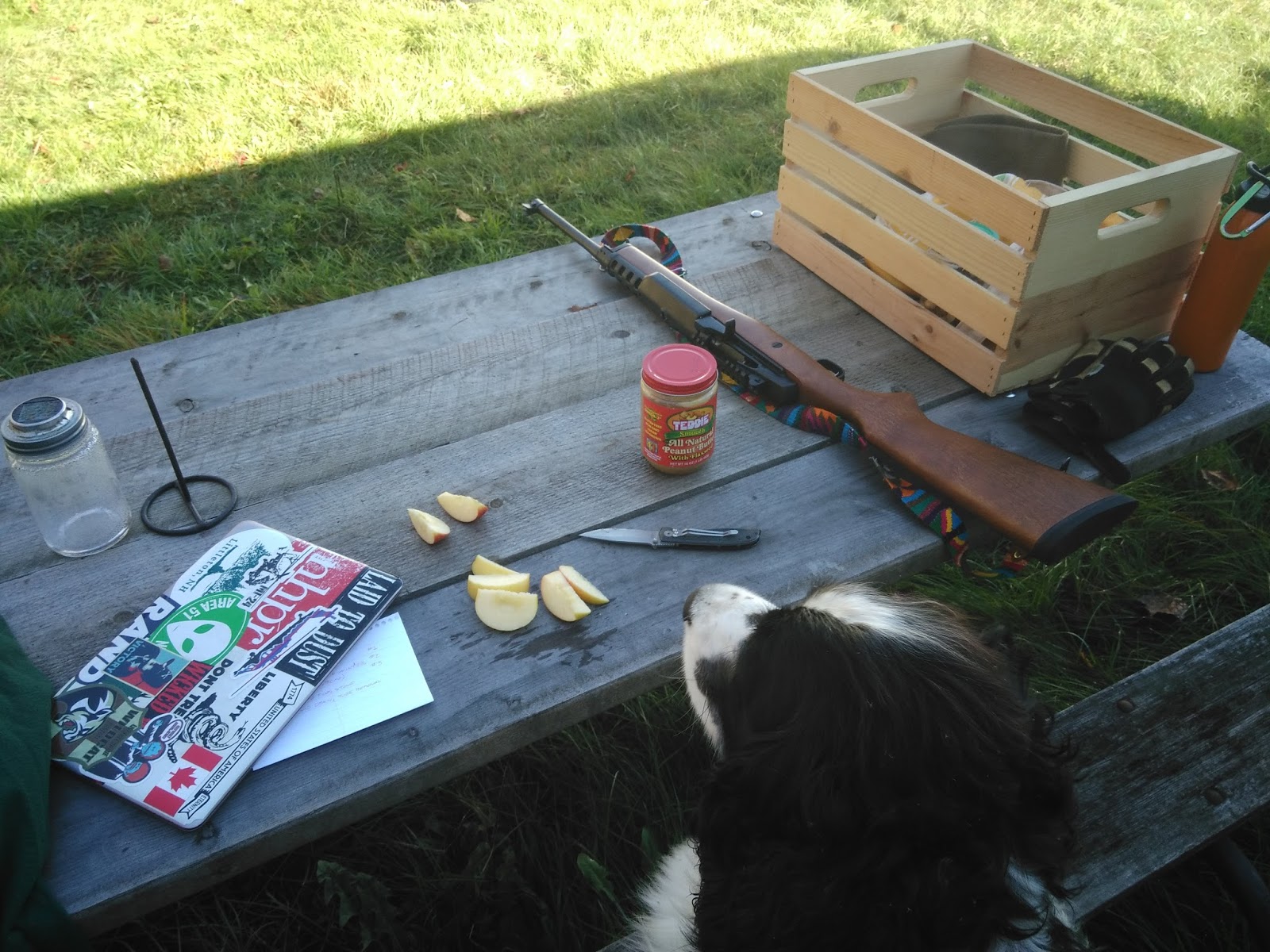
Something I really like about craigslist is that if you trust your spidey senses you can meet some really great people. Building a rapport with buyers and sellers can lead to more information about the vehicles or parts you're swapping, or better yet, deals down the road. Gil remembered me and my slightly crazy plan, confided that he'd like to clear out the entire collection of solar panels, and asked how many I'd be interested in. I asked how many he had. After some texting and phone calls, Gil made me an offer I couldn't refuse, to take his remaining solar panels off his hands. I won't write out the price here, but we both walked away very happy, one of us with a trailer full of solar panels, the other with money in his pocket. Thanks again, Gil.


The source of these panels is dubious, but they appear to be panels off of "variable message signs." Based on the damage that some of these panels have (a lot of blunt trauma... like from trees falling on them) I'm guessing these racks are the rejects that were sold at auction. In the pile are, if I counted right, 52 of the Siemens panels in various conditions, and another 8 skinnier 43-watt panels (2 of which are destroyed.) No more than a quarter have some sort of damage, the rest are intact. My new winter project is to clean these up, find out which ones work, and have them available for friends and family wanting to do any kind of solar projects. I think the skinny 43 watt panels would work really well on the cap of a pickup truck camper.


Over Christmas, I stopped into the land and checked on the bus with my dad and Zeke. With the high snowbank, and the depth of the snow, we elected to walk in on foot.


The bus's solar panels, even as steep as they are, had a dusting of snow on them from the morning's storm. I wiped them off with a broom the best I could. Note to self; make sure the panels on a house are somewhat accessible and easy to clean. I ran the generator for a few minutes to drink some gasoline and top up the battery (it's a Honda, and it just runs... it's amazing.) Next time I'm up I'll try to warm the bus's engine block with the generator in order to get it going... we'll see how that goes!


I'll close out this post by leaving you all with this awesome Christmas gift from aunt Zowie.

Day 10534

On day 10533, good friends Zach and Kristen were southbound, and joined my family for Thanksgiving. They had been on a Great Canadian Road Trip, taking them inside and outside the city of Montreal, up and down mountains in Vermont, and then finally in front of plates of food in the North Country. Zach and Kristen are both avid hikers and outdoor leaders for young adults, who spend their time vagabonding around New England teaching, and being genuinely good company.

My grandmother, Cynthia, did a quick mental genealogical check of last names to verify that none of our guests were actually long lost cousins. With the help of my Grandfather, Scotty, they related as much family lore as they could. We talked briefly about the foundation I came across a few weeks ago, consulting a hand-drawn map in a book about the families and the area, penned by an elder citizen who lives up the road from the land.


With the sun setting, we headed out to the bus to set up camp. My family tagged along to pick a Christmas tree from the field. For the past few years, we have gotten some anemic looking Charlie Brown trees; this year we were able to get something more full!

Zach, Kristen and I stayed up well past sunset solving all the world's problems over tea and aunt Zowie's pumpkin pie, huddled next to the woodstove as it dropped down to 22'F outside. I propped up a cot for Zeke and I for the night. After lights out, Zach and I took turns stoking the fire. The wood isn't completely dry, so it seemed like it would either burn everything rapidly, or snuff itself out! It made for a chilly night, and I'm glad I had a furry space-heater, even if he did hog the cot.


The next morning, we breakfasted on oatmeal, muesli and granola (as well as some dog food,) and I percolated some coffee. Above I'm inspecting the wiring of my little LED lights, which aren't turning on despite everything indicating normally. For the sake of safety, I unplugged those circuits before leaving... further troubleshooting required.

Meanwhile, Kristen gathers the dishes. Both Kristen and Zach are veteran hikers and mountaineers, and they were determined to leave their campsite better than they found it. In a matter of minutes everything was cleaned and put away. Best bus-house-guests I've ever had. 10/10 would recommend.


Zeke and I share an inside joke after breakfast.


Once we were all fed, my travelling friends were bound for the road again. Thanks for the visit!


I drove back to the city via Lost River Gorge, wanting to see how Dilly Cliff had fared in October's fire. The cliffside had a raw look to it, with scorched earth, and burned standing trees stripped of their foliage. I can't imagine hiking up there to fight the fire on the ground; all the respect in the world to the firefighters.

I also picked up a ScanGauge II, which is a sensor that plugs into a vehicle's OBD diagnostic port, and can give you instantaneous and average fuel consumption, among other things. Heading home, I irritated all of the Massachusett's drivers whipping by at 80mph by nursing the F150 along at 61mph, sipping an economical 18mpg! I knew going slower would give me better mileage, but I didn't know it would mean another 3 gallons of fuel in the tank, on a ~180 mile round-trip! Looking forward to using this tool and tweaking driving habits.

Back at home, my otherwise friendly and loyal canine has reduced my chicken flock to 1. It's disappointing to lose a chicken, but it's hard to be mad at a bird-dog for doing what he was bred for. I wanted to let the chickens free range, but now I know that won't be possible without constant supervision. I'm not sure if I'm going to try replacing the missing members of the flock with some new recruits, or if I'll ask my neighbor, also a chicken-farmer, to take in my survivor.

Day 10522


Last weekend's tropical storm knocked out power in the city for a few days. Pictured above is about ten trees blown over, including two large white pines and an oak, which flipped up a bridge on the nearby hiking trail. 


As mentioned before, I was missing the bus's off-grid conveniences during this grid-tied power outage. In the barn I have propane heat, but I couldn't cook without electricity. Thankfully, my truck bed doubles as a field kitchen. Toast & eggs, or tea? Anyone?


The North country had received it's first dusting of snow on day 10520. I didn't see anything taken out by the gusty wind, but the bus had a few leaks inside from all the rain hitting the hatches and the chimney. I think it will survive another winter!


It was still below freezing, so first things first, I cleaned out the woodstove in order to lay down some firebrick. I must have measured wrong, because I could still use a few bricks! These bricks will absorb heat from the fire, slowly, and radiate it out the same way. The bare steel of the stove radiates very quickly.  Hopefully this will make for longer burns overnight.


Zeke supervised the unloading of the 444's new rototiller.  That was heavy... I didn't drag it far.


While the bus warmed up, Zeke and I took a walk out back. 

I know from some research, and the stone walls and barbed wire, that the plot used to be a dairy pasture. I also know that there is an abandoned, grown-in road at the northern edge of the property. Since there were no structures or foundations on the southern edge, I had a hunch that one might lie along the old road...


As soon as I crossed the old stone wall of my land, onto the abandoned road, I spotted two wicked looking old apple trees. People used to plant fruit trees near their homes, and sure enough, a stone foundation lay next to the apple trees. The last time I was out here the woods was thick with green vegetation; I was probably standing right next to it and didn't even know!


I imagine there's more of these foundations up and down the road.


Heading back, Zeke found what appears to be a deer's leg bone. He was very fond of his discovery. 


The winterization of the bus is about done; it should weather the next character-building season alright. The firewood I have on hand is all still a little wet, but nothing will fix that except time in the sun. I haven't even started the dump kit install on the F350, so I'm still without a plow truck for the winter... unless I throw the chains on the 580's tires, and run the generator for a few hours to warm it up! More likely, once the snow gets deep, I'll be hiking in with snow-shoes. With luck, the next few visits up north will be to camp out, cook food, and hike the area.

I'm going to go out on a limb here and say that I have colonized the land in the housebus, and strike that from the to-do list. If the bus can weather another New England winter at the new site, and I'm at the point where I could just go up, start a fire, cook lunch and read... I think it's fair to say I've established myself up North. My next big focus will be picking a site to build, gathering materials, creating building plans, and getting the paperwork in order to start construction in the spring.


Day 10508

On a very short two day weekend (how do people live like this?) I spent a morning with the pooch up at the land. While we were down in the city, I got the 444 tractor's front wheels gooped up so the tires would hold air, and had a braided hydraulic line made to replace the solid steel line that had broken. I also had the bushings for the lift piston (the piston's holes are 3/4", and the pins and mount holes are 1/2".) The bushings would take the space between the lift cylinder mounts and the tractor's hardpoints, so that the mounting pins won't be deformed over time. I installed these parts (the hydraulic line was a small struggle) and cranked the machine over.


Not having a good way of disposing of oil, and knowing the hydraulic fluid I drained out is relatively fresh, and also knowing that a '70's tractor is mostly indestructible, I zip-tied a scrap of t-shirt to the drip pan and returned the hydraulic fluid to the tractor. It's not a helicopter, I can do this and not even feel guilty. Cheap, maybe.


Running again, I used the tractor to pull the mower deck and the reclaimed trailer out of the field, and back into the treeline.

I have designs for this trailer frame...


Zeke and I brought leftovers up for the day, which we heated on the bus's woodstove. To do dishes, we heated water on the stove in the coffee percolator. The compost pile gets the scraps, and Zeke does the pre-cleaning. Dirty dishes and pots get a cup of hot water and a dash of dish soap. I clean the dishes with the scrubby pad, then rinse off the suds with the last of the hot water. It would be nice to do this inside of the bus! I'll have to figure out a woodstove-powered hot water delivery system for the sink... copper pipe around the chimney, then down into the pump? We shall see.


I stacked up some more split wood, and used some of the old plastic sheet pulled from the woods to cover the outdoor piles. The southern side of the wood piles was left exposed, in an attempt to optimize heat coming in, and keeping rain water out.


The bus has a pair of succulents from John & Robyn's wedding, which are both doing well just sitting in the cockpit, in coffee mugs filled with North country soil. 

I accomplished a lot of small projects in the North Country on day 10507. One of these days maybe I'll go up just to chill out. A novel idea.

Back down in the city, Iain and Darcy offered me their small flock of laying hens, and all the infrastructure to support them. A very generous offer, which I accepted. I'm familiar with these chickens from house-sitting this spring. This isn't the first donation from Iain and Darcy, either; the astute reader will recall that I also got the couch in the bus from them! Thanks again!


The morning of Day 10508, trying to stay ahead of the weather, we took the run and the coop apart, and loaded them into the trailer for the drive down the road. This is actually the second time these chickens have gone for a truck ride with me, the first being almost a year ago, helping Iain and Darcy move just down the road to their present location. Hopefully the next road trip for these hens is up to the North country!

Kia helped me unload the run, which was on the edge of falling apart after multiple moves and lots of twisting of wet wood. As it continued to rain, I sloppily screwed the loose corners back together, and stapled the chicken wire back to the frame. It will hold... maybe... for a bit longer.

Working alone, I used a ratchet strap and the tractor to gently lift the coop off the trailer, drove the trailed out from under it, then drove the tractor as smoothly as I could over to the corner of the barn. The hens didn't seem to mind!


With everything back together, I let the patient ladies out of their house. They took in the change of scenery, curious dogs, and fresh selection of bugs and worms. Elsa and Anna are the black & white Plymouth Rocks, or Barred Rocks, and Sofia is the (currently molting) gray/brown Ameraucana.

I want to make that trailer up North into a chicken tractor.

Day 10502

Like the 18th century colonials before us, I am typing this blog post using wifi from my cell phone's hotspot, and light from a candle to see the keyboard, as the power is out down here in the City. A warm, windy front is moving through, bringing some needed rain. It also brought down a power line.

I was in the midst of cooking dinner when the lights flicked off, so I was a little annoyed (crunchy rice soup, anyone?) but I improvised, adapted, and overcame, and cooked most of my food on the grill outside with the waning twilight. Holding the flashlight to see if my Vermont-raised hipster chicken cooked through, I was wishing I had the bus and all of it's amenities. I could have cooked my rice and potatoes over the woodstove. I would have had bright lights for days, even with cloud cover, running off the batteries. Cell phones and computers could be charged with converted or inverted DC power. My resilient mobile homestead is designed to operate on it's own, and this is the first outage where I haven't had the ability to use it.

Not having the bus has really made me think about how dependent we all are on "the grid." One tree goes down across an open, exposed power line in a wind storm, and at least dozens, maybe hundreds, maybe thousands of people are without light, and unable to cook their dinner. So the lights are out; now what? Many went into town for food. Some cranked over a loud, gas-powered generator to get their house running again (or not, because it has a dead battery and watery gasoline.) Some settle in and spend time with their family, eating cold leftovers, rooms illuminated with candles, the one flashlight that wasn't dead, and iPad screens. My family went with the latter.

A friend of mine in school grew up in an off-grid house. When the power went out in her town, she had no idea! She'd come into school the next day wondering why everyone was complaining about not having a hot shower, or not having internet to finish their homework. At her house, there was no change! They weathered the power outage just fine, because they weren't connected to it. They weren't reliant on that power coming in off the pole. I didn't realize that an off-grid house wouldn't lose power in a storm until an embarrassingly late age.

How much of what we pay in our electric bill goes to supporting the infrastructure? How resilient is our community, how vulnerable are we, when a single tree can disrupt the evenings of hundreds of people? Now imagine with me, that instead of our grid tied system, with thousands of power poles and thousands of miles of electrical wire, "gracefully" connecting all of our homes to a series of single-point failures... we have a community of off-grid homes. For electricity, these homes have solar panels up on the roof, a battery bank in the garage. A wood stove may provide the heat for the home, or maybe a geothermal system. Let's go the extra mile and assume they have a small garden, and a few weeks of food stored... is there anything that this house, and that family, can't endure from Mother Nature's wrath in New England? How much stronger is the community, when a tree going down across the road doesn't take out power to hundreds of homes? How much stronger would our nation be if more people lived like this?

Imagine all the people, living with no electric bill... and no power outages.

Meanwhile, back in cold, harsh, oil-burning reality, I'm continuing work on tractors. I went up North on Day 10502 to finish "winterizing" the bus. I closed up all the windows, which had been letting it breath in the heat, and laid down some fresh sand in between the bricks under the woodstove.


I cranked up the woodstove for some heat. When I got up North it was early, and still in the 40's. The bus warms up quick once the fire is going; it also cools down quick once it goes out! I have firebrick added to my to-do list; I'd like to put a layer in the firebox to take some of the heat, and dissipate it gradually. Otherwise, this thin sheetmetal stove takes all the heat it makes in the burn and radiates out from the hot steel, or sends the hot exhaust smoke up the chimney. I can slow down the burn with the damper and the air inlet... but the restricted airflow just makes for a dirty burn, which could load my chimney with creosote if I don't burn good dry wood. Can you tell I'm in the middle of a book about masonry woodstoves? Learning is happening.


I wanted to fix the cracked driveline on the 444 tractor, so I needed to lift it up to get under it. I also realized the front tires were flat. My dad had borrowed my farm-jack... what to do?


A solution presents itself. With the tractor elevated, and the front axle properly shored with firewood (what can't be done with a backhoe, a chain, and firewood?) I began disconnecting the hydraulic lines. My intent was to replace the 444's forward and reverse hydraulic lines, from the control valve to the drive motor, with the lines and reducer from the 442 I parted out. The reducer on this machine ought to keep it from "running away" when it's in gear going down a hill, which is a "nice feature."


One of the B-nuts was rusted tight, and the crack opened up and severed the line as I tried to loosen it.


With the line removed, I needed to pull the two 90 degree fittings off the start motor so that I could install the reducer. I found that I couldn't remove the upper 90 degree fitting, because it wouldn't clear the tractor's frame. Hmmm... I don't think I'll be doing much more on this machine today. I'll have to take the axle off, which requires major disassembly off the whole backside of the tractor, in order to do what I wanted. I elected to do a quick fix, and get a braided hydraulic line made up. This way I can use the machine until I have some time to do the major surgery, though it isn't as resilient (or as expensive and hard to find!) as a new steel line.


So the tractor will remain on firewood jackstands until I can get back up with a new line. Good thing the neighbors can't see... how embarassing.

Back down in the city, Gavin and Mark came over to try to start Gavin's Massey Ferguson. We had replaced the battery, spark plugs, spark plug leads, checked the distributor, cleaned the carburetor, then drained the tank and put in a few cups of fresh gasoline. Online we found the cylinder firing order of the 2.5L Perkins motor (1-2-3) and we looked at the rotation of the distributor to see which order the plugs fired in. We didn't know one thing; where the cylinders were in the motor, and which spark plug lead should go where. But hey, we knew there was only three possible combinations, and it wouldn't run on two of them, so we labeled the plugs A, B and C, and started cranking. The carburetor was dripping gasoline from a stuck float and needle valve; I'll have to pull that back off and tweak it. Jokingly, we set a fire extinguisher out on the floor next to us, and made a plan for who would fight the fire, who would jump in the truck, and who would connect the chain to pull the thing out and let it burn in the yard, if it came to that.

Spraying ether into the open port of the carburetor, we got it going on 1-2-3/B-A-C, but it wouldn't stay running. We tried the other combinations. On C-B-A, we got a big coughing backfire out of the carburetor, which ignited the fuel vapors from the leak. The tractor now had a small fire burning around the dripping carburetor. Gavin stopped cranking.

"It'll go out" said Mark.

A few seconds go by.

"It's not going out" said Mark.

I pulled the pin on the fire extinguisher, and hit the base with a two-second burst of powder.


Hero of the day; ABC fire extinguisher.

Coughing through a cloud of monoammonium phosphate, we went outside and decided to call it a night. We elected to get the carburetor fixed, and go back to the B-A-C firing order.


Day 10492

Zeke and I spent a much-needed cool morning up at the bus. The fall foliage is past peak on the land, and the wind has taken most of the leaves from the trees on the edge of the pastures. The goldenrod, which was bright yellow at last visit, is now brown and dropping seeds.

Hopping out of the truck after a foggy drive North, we opened up the bus. I grabbed my water bottle and rifle (I haven't forgotten about that bear!) and we set off through the woods. Most all the leaves are down, really opening up the space. We checked a few spots to see if they were still wet, or if they're just seasonally damp spots. The stream was down a bit. Not much wildlife, though we did see a bald eagle soaring above us. 


Made a new firewood pile at the back door, where these oak limbs can catch some sun. I'd like to get some clear plastic sheet to keep the water off of the firewood stacks.


Snack time.

Today's tasks mostly revolved around winter and angles. The first project was the solar panels. I climbed up on the bus roof with a wrench, a small level, and a speed square to change the angles. Two bolts hold the mount to the perforated angled rail; I removed these, brought the panels up to a higher angle... and realized I didn't know what angle I was setting them too!


I whipped out the phone, searched for this blog, found the post where I talked about the panels, and found my answer; line of latitude plus axial tilt of the Earth. So I needed these panels to be ~68 degrees from horizontal. Putting them five holes back from the furthest "up" position gave me 67 degrees. I threw the bolts back in, and snugged the nuts down. With this adjustment, the panels will receive more sunlight over the next six months as the sun travels on a lower arc around the southern horizon. Some call this winter.

Next I took a 4x4 post, a square, and my long level, and started measuring the ground. I want to find the average slope of the land, so that over the winter I can work out a barn design to build to. I set the 4x4 on the ground, with the level on top, and raised the downslope end of the post until it was level. I measured the elevation with the square. After taking half a dozen samples, I averaged them together, and found that the field around the bus drops off about 5.5' vertically, every 100' horizontally. This is a 5.5% slope, or about 3.15 degrees.

My final project is a very specific guesstimation. I want to know about how far the trees on the southern edge of the fields cast their shadows, and how tall the trees are. To find out how tall my trees are I used my pace count from basic training, and the internet.


From the base of the trees, I paced 75' to the edge of shadows. This was at 11:50am, 13 October 2017, at latitude 44.3 degrees North, 71.8 degrees West. I plugged this information in at a calculator found after a quick Google search; Sustainable by Design's solar angle calculator. The angle of the sun was about 37.53 degrees above the horizon.

I drew out a picture, and plugged in what angles I knew. The tree to the field is 90 + 3.15 degrees. The sun coming off the top of the tree is 90 - 37.53 degrees. The distance from the base of the tree is 75'. With these three pieces I can find the other pieces of my triangle. Instead of doing it out by hand and cell phone, I found another calculator through a Google search, triangle-calculator.com.

I found that my trees are mostly 53' high. I have a few that are around 64' high, but it's mostly hardwoods that won't have light-blocking leaves in winter. After playing with the calculator, and using the 21 degrees of the winter sun, I found that these trees will cast shadows 161' back from their bases at noon on December 21st (winter solstice, when the day is shortest, and the sun is lowest.) So if I want a reliable passive solar house design, I can't have my solar heating design elements in that shadow range, or I need to cut down some trees!


Winterization will likely continue with the next visit. I'd like to add some mortar to the bricks under the fireplace, to keep errant sparks out, and get the side windows all closed up (right now they're all one latch down from the top so heat can escape.) Bus and backhoe started right up today, despite the cool temperatures overnight.